
Aluminum Formwork Systems > Aluminum Formwork & Accessories
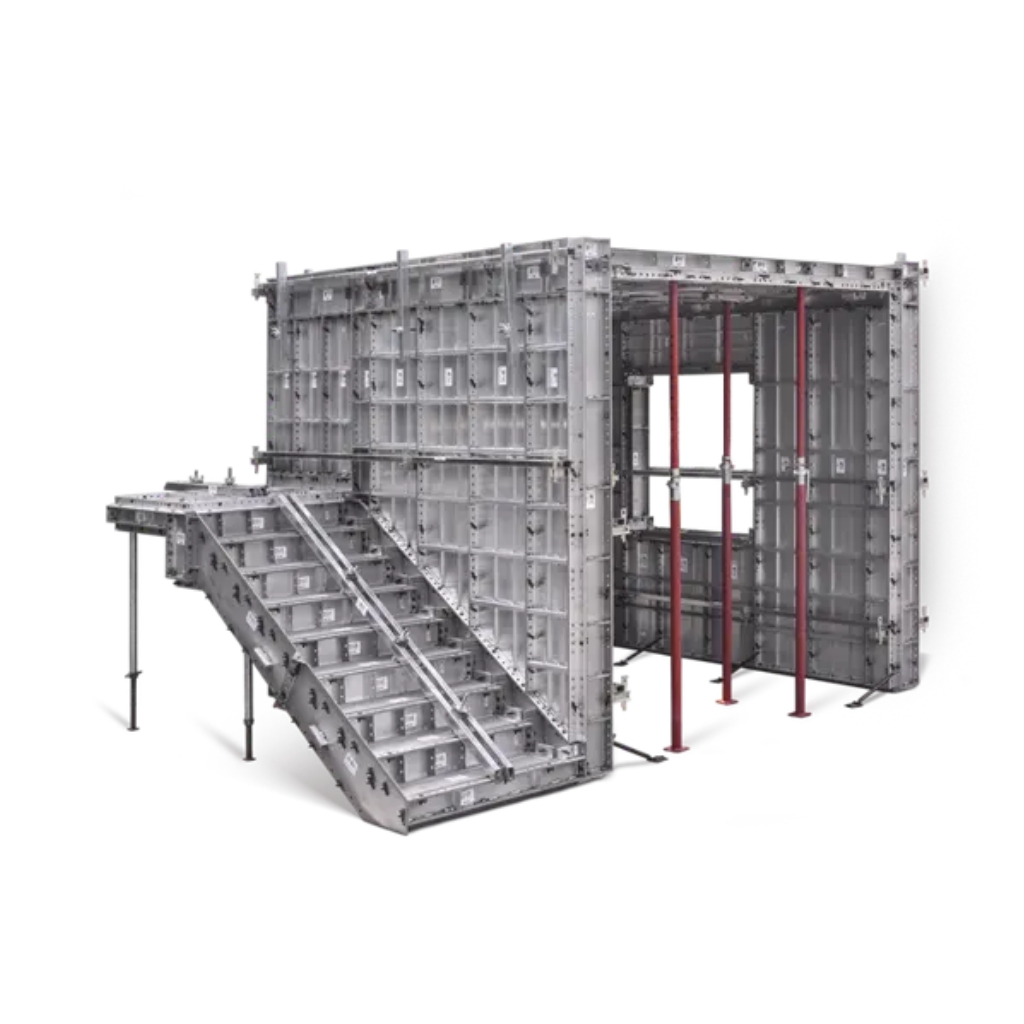
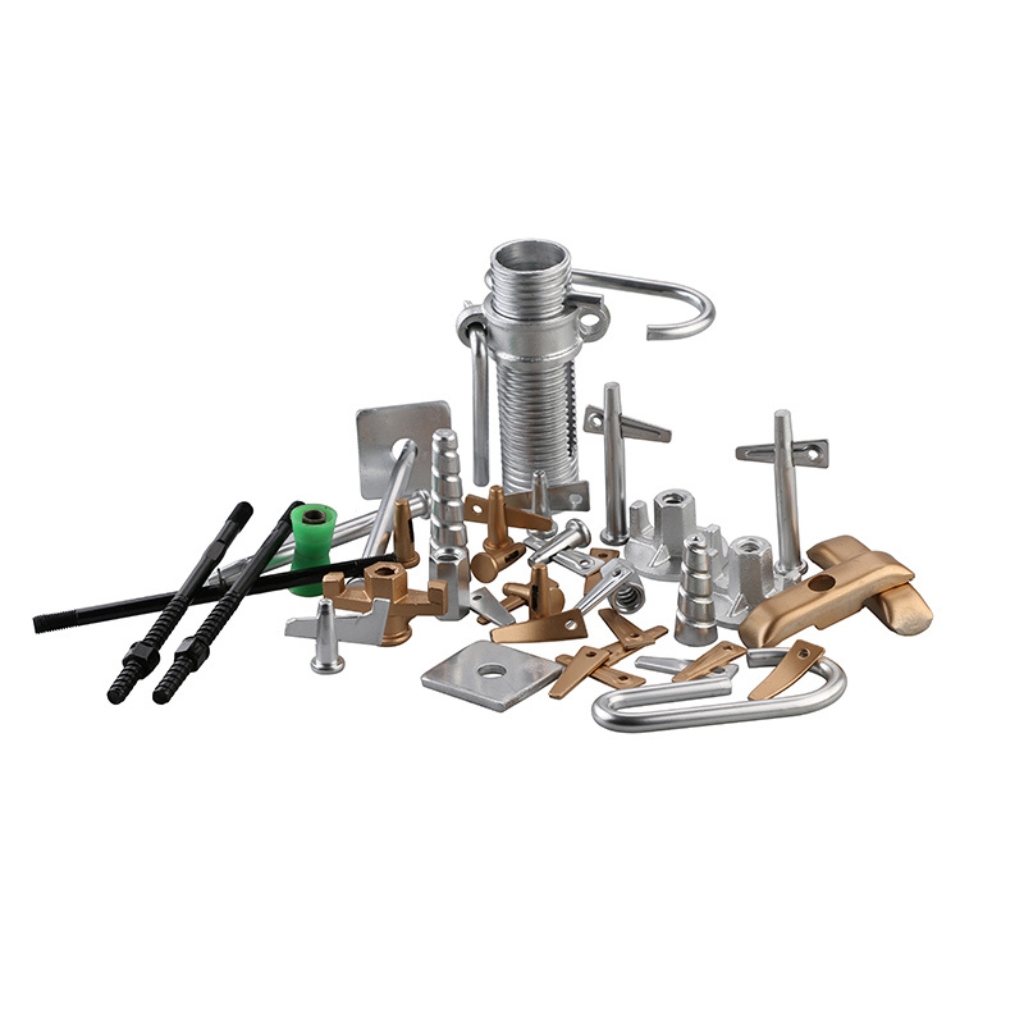
Aluminium Formwork & Accessories
Aluminium formwork, widely called Mivan-type formwork in India, is a set of lightweight aluminium panels made to a building’s drawings. Walls, slabs, beams and staircases are cast together in a single pour, and the same set is then stripped and moved up to the next floor. It suits repetitive work such as residential towers, mass housing and commercial blocks.
Paam Group supplies aluminium formwork panels and the accessories that keep a kit running floor after floor: pins and wedges, flat wall ties, tie rods, sleeves, props, alignment adjusters, brackets and de-shuttering tools. Accessories are fabricated by our group company Adaptec Building Solutions in Hyderabad, in standard sizes or to your drawing, and supplied across India.
Components & Accessories
Our Aluminum Formwork System consists of robust and modular components, designed to interlock and align effortlessly:
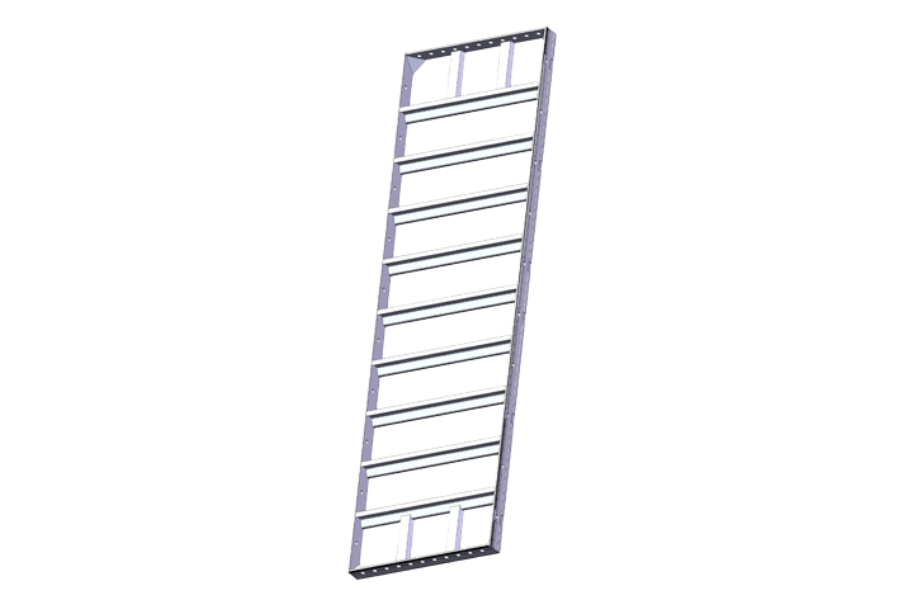
Wall Panels
For vertical surfaces such as walls and lift cores.
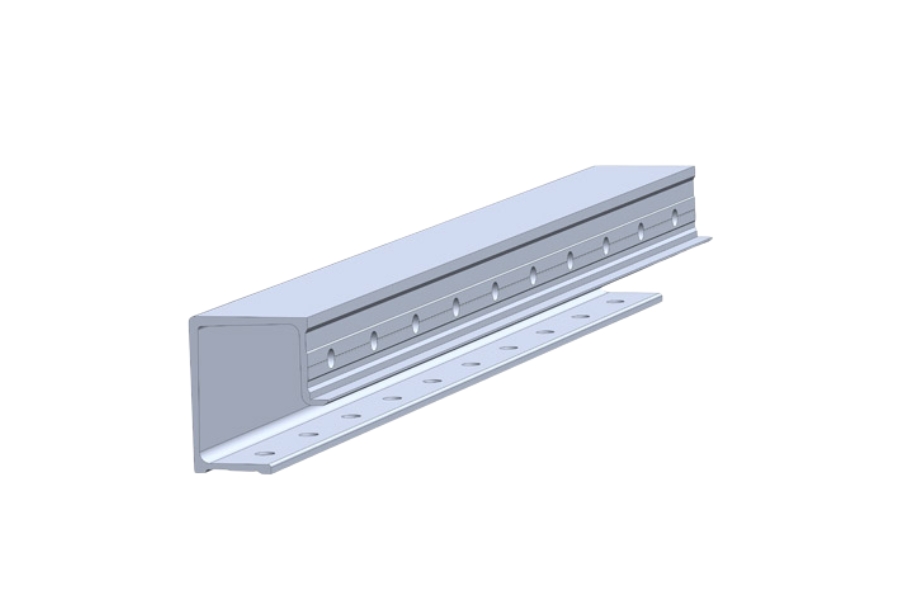
Slab Panels
Designed for casting horizontal surfaces like slabs and soffits.
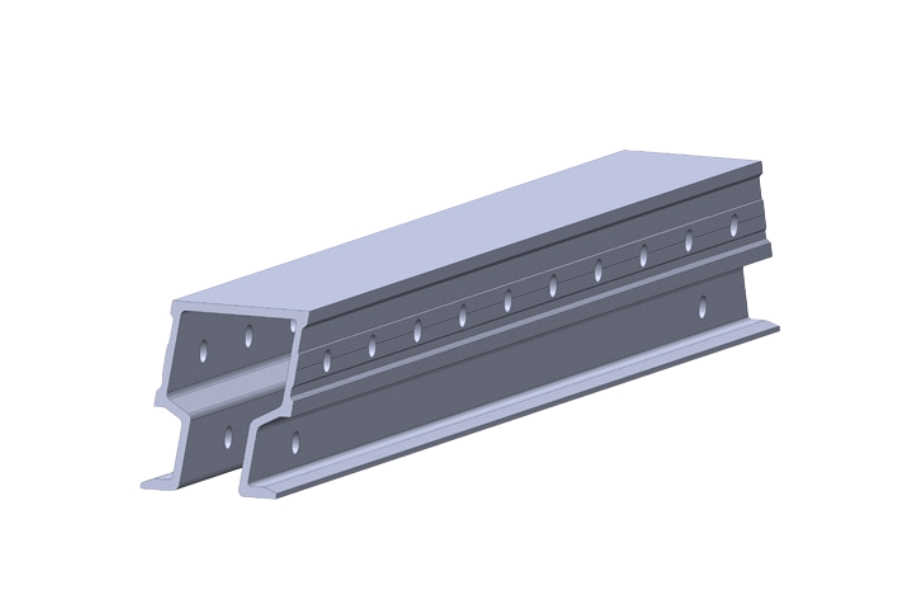
Beam Panels
For forming beams seamlessly with slabs.
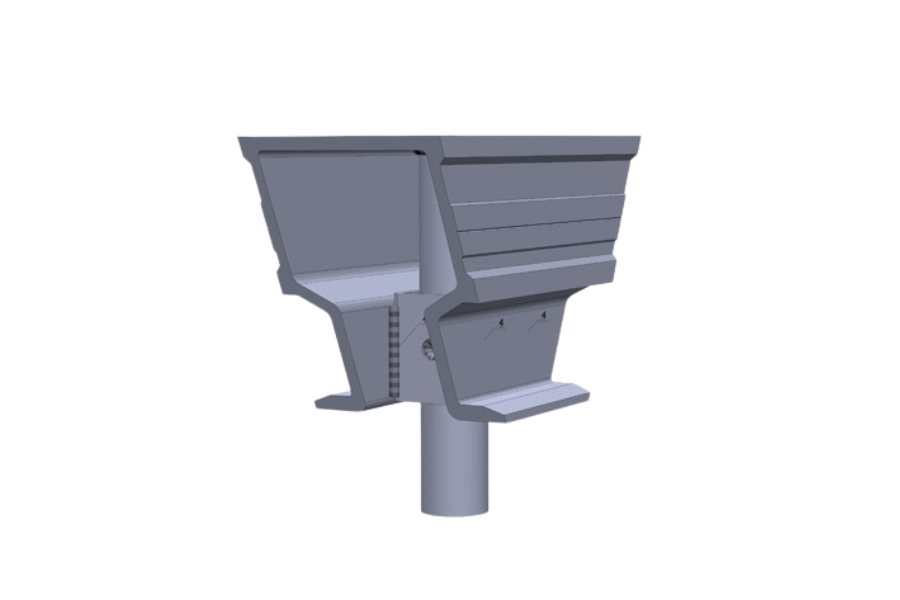
Deck Props
Adjustable props for supporting slabs and beams.
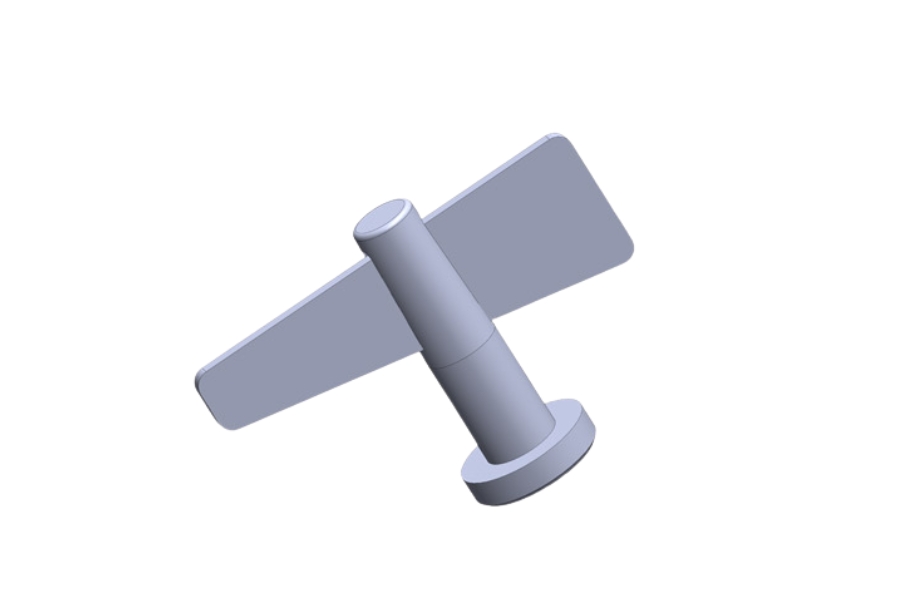
Pins & Wedges
To lock panels tightly and ensure leak-proof joints.
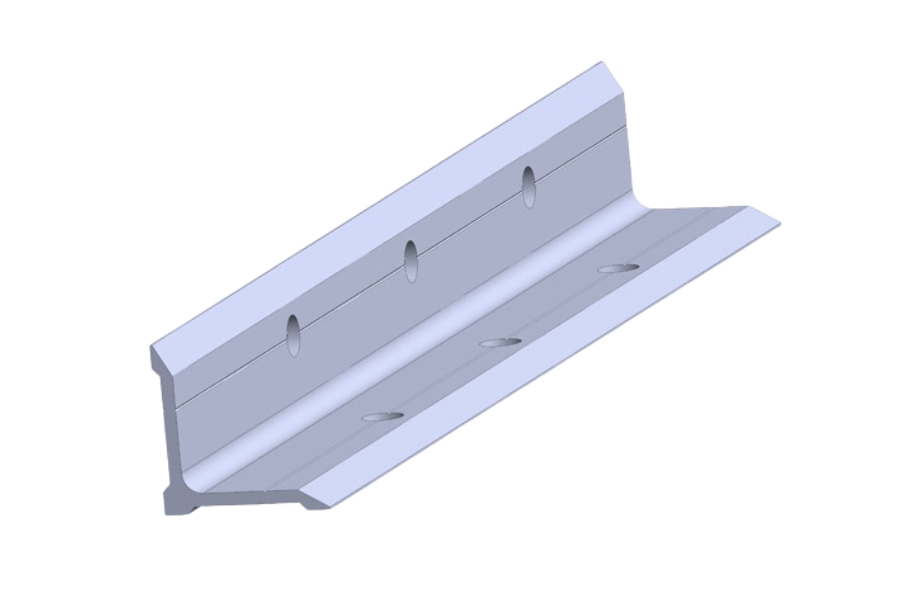
Corner & Junction Panels
Special elements to handle corners and junction points.
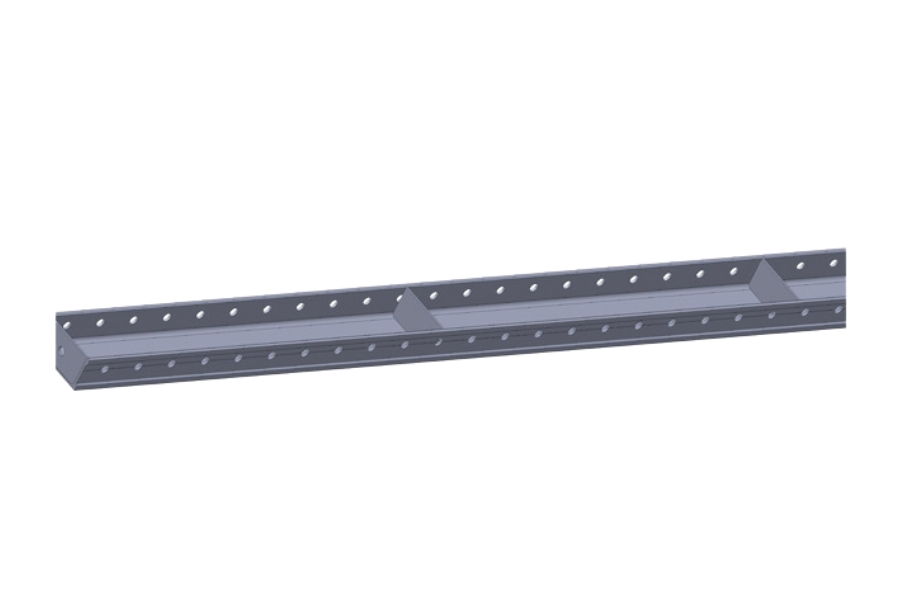
Starter/Stopper Panels
Used to control the start or stop of casting.
and more...
How Aluminium Formwork Works
- Made to the drawing. Panels are designed from the building’s shell drawing, then coded and numbered so every floor goes up the same way.
- Panels lock together. Wall panels (typically 600 × 2400 mm) and deck panels (typically 1200 × 600 mm) are joined edge to edge with stub pins and wedges through holes in their side rails.
- Ties sit in the joints. Flat wall ties pass between panels at the joints, never through a panel face. Panels on both faces of a wall share the same joint lines, so every tie runs straight through.
- Line, plumb and support. Bottom adjusters and turnbuckle props set the walls true, and deck props carry the slab.
- One pour. Walls and slab are concreted together.
- Strip, clean, lift. Panels come off with proper de-shuttering tools, ties are pulled, and the panels are cleaned, oiled and lifted to the next floor. With a practised crew, a floor typically takes a few days.
Aluminium Formwork Accessories We Supply
| Accessory | What it does |
|---|---|
| Stub pins (50 mm, forged) and ribbed wedges | Lock panels together at every joint |
| Long pins (127, 132 and 195 mm) | Join panels with walers and special connections |
| Flat wall ties (3 mm, cut to wall thickness) | Hold both wall faces against concrete pressure |
| Tie rods (16 mm), anchor nuts, DSR and DTR | Tie walers, thick walls and special sections |
| PVC sleeves, corrugated sleeves and PVC cones | Let ties be pulled out cleanly after stripping |
| Bottom adjusters and turnbuckle props | Align and plumb walls before the pour |
| Corner and custom walers | Stiffen corners, lift shafts and tall walls |
| Working platform, lift shaft and external staging brackets | Safe access, made to your drawing |
| Niche boxes, grooves and door spacers | Cast-in recesses and openings, so no chiselling later |
| Hole bari, panel puller and tie puller | Strip panels and ties without damaging the rails |
| Add-on panels in 6061-T6 aluminium | Extend or modify an existing kit |
Send us a drawing or a sample and we will confirm size and rate. We also supply rebar couplers for column and wall splices, and FORMTEK shuttering oil, which stays effective on aluminium panels for about 3 days after application.
Advantage of Aluminium Formwork
Rapid Floor-to-Floor Casting
Achieve minimal cycle time with fast and efficient concrete pours
Structural Cost Savings
Reduce overall construction costs by up to 15% compared to traditional formwork systems.
Maximized Floor Area
Gain over 8% more usable floor space due to thinner walls and precision design.
Superior Structural Stability
Monolithic casting ensures long-term durability, rigidity, and earthquake resistance.
Reduced Labour Dependency
Simplified assembly and dismantling minimize the need for skilled labor.
Uniform Finish Across All Units
Consistent formwork design guarantees identical finishing throughout the building.
Easy Assembly & Reuse
Lightweight and modular components make on-site handling quick and hassle-free.
High Reusability
Each set can be reused up to 200 times, ensuring long-term return on investment.
Why Choose Our Aluminum Formwork?
Precision-Driven Design Approach
Every drawing goes through multiple-tier checks to ensure engineering accuracy and structural reliability.
Trusted Sourcing & Vendor Evaluation
Strict vendor screening processes and raw material traceability ensure consistent quality from the ground up.
Superior Grade Aluminum Materials
We use only 6061 T6 aluminum for extrusions and 5052 H32 grade for sheets — offering unmatched durability and strength.
Certified Welding & Materials Integrity
All welding consumables are 5356 (1.2mm) grade and conform to ISO 15607:2003 standards for secure joints and long life.
Advanced Manufacturing Processes
State-of-the-art automated machines ensure uniformity, tight tolerances, and faster turnaround.
Stringent Quality Checks
Our zero-tolerance policy includes multi-point inspections and random sampling to eliminate defects at every stage.
Is Aluminium Formwork Right for Your Project?
Aluminium formwork pays off through repetition. It works best when:
- the building has many identical floors or units;
- the design is frozen early, because panels are made to the drawing and a new set can take a few months to design and manufacture;
- electrical and plumbing routes are planned before the panel design, since walls and slabs are cast together.
For low-rise, one-off or frequently changing designs, conventional formwork with film faced shuttering plywood is usually more economical. The Building Materials and Technology Promotion Council’s technology profile on monolithic aluminium formwork covers the same trade-offs.
Aluminium Formwork FAQs
What is aluminium formwork?
Aluminium formwork is a system of lightweight aluminium panels made to a building’s drawings. Walls, slabs and beams are cast together in one pour, and the same set is reused floor after floor.
Is aluminium formwork the same as Mivan?
Mivan was an early brand of aluminium formwork system. In India the name is now widely used for aluminium formwork in general.
What accessories does aluminium formwork need?
Stub pins and wedges, flat wall ties with sleeves, tie rods and anchor nuts, bottom adjusters and props, walers, brackets, niche boxes, and de-shuttering tools such as the panel puller and tie puller.
Which release agent should be used on aluminium formwork?
Use a release agent made for metal formwork. FORMTEK TRENN PLUS suits everyday work and stays effective on aluminium for about 3 days; TRENN PRO is for Class A and architectural finishes.
When does aluminium formwork make sense?
When a project has many repeated floors or units and the design is fixed early. For low-rise or one-off buildings, plywood formwork is usually more economical.
Can you make accessories to our drawing?
Yes. Send a drawing or sample; we confirm the size and rate, then fabricate, plate and deliver.
Planning a project with aluminium formwork?
Tell us your project, wall thicknesses and the accessories you need. Our team will confirm sizes and send a quote, or make parts to your drawing.